Brick vs. Stone Flooring: Choosing the Right Surface for Businesses
People searching for brick or stone flooring installation are typically looking to choose and have durable, attractive surfaces installed by experienced local contractors.
Choosing the right flooring surface is an important decision for property owners looking to enhance their business spaces. Whether considering brick or stone, understanding the practical differences can help ensure the chosen material aligns with the building’s aesthetic, durability needs, and overall functionality. Business owners in the area often explore this topic to find the best solution for high-traffic environments, outdoor patios, or decorative accents that stand the test of time. Local contractors specializing in brick and stone flooring installation can provide valuable insights and expert craftsmanship to help make informed choices that support the long-term success of a commercial space.
As this decision impacts both the appearance and performance of a property, it’s beneficial to learn about the unique qualities of brick versus stone flooring. From slip resistance and maintenance requirements to visual appeal and weather resistance, there are key factors to consider that influence the best surface for a specific business environment. Service providers in the community are equipped to assist with the installation process, ensuring the chosen material is properly installed to meet the demands of the space. Continuing to explore this topic can help property owners select a flooring surface that complements their business needs while benefiting from the skill and experience of local experts.
- Brick flooring installation services are sought when businesses want a durable, classic surface that enhances historical or rustic aesthetics, with local contractors focusing on proper substrate preparation and precise laying techniques. Stone flooring installation is chosen for its natural beauty and long-lasting qualities, with service providers customizing installation methods to suit the specific type of stone and usage requirements. When selecting between brick and stone for commercial spaces, local pros assess factors like traffic load and design goals to recommend the most suitable surface and ensure proper installation. Businesses considering brick vs. stone flooring often rely on local contractors to evaluate the environment and provide expert guidance on the best material choice and installation approach.
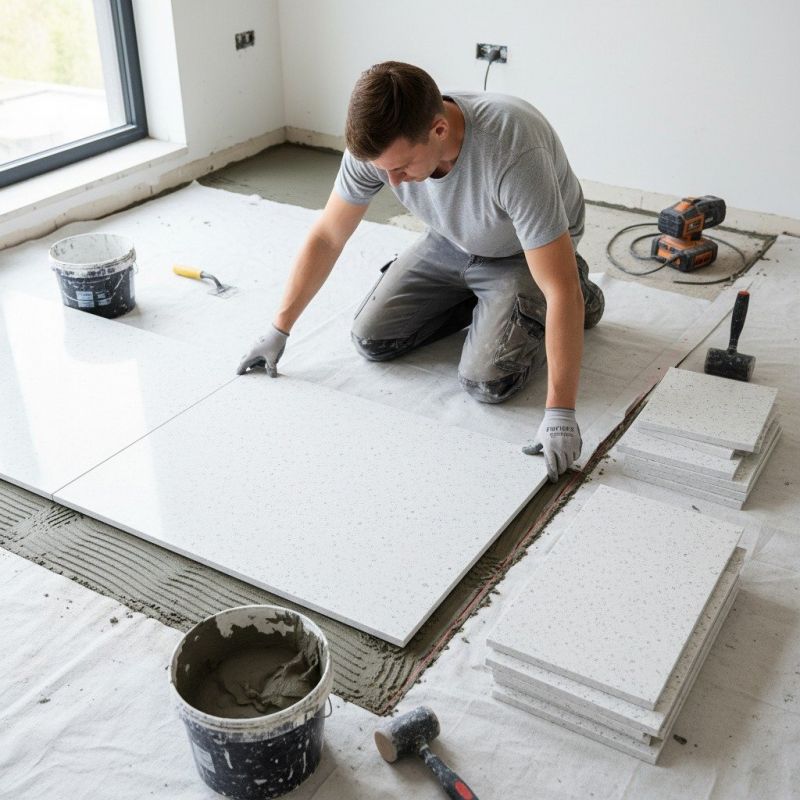

When people search for brick vs. stone flooring: choosing the right surface for businesses, they are often exploring options for durable, attractive flooring solutions suitable for commercial or retail properties. This topic typically comes up during planning or renovation projects where property owners want to enhance the appearance and functionality of their spaces. It relates to decisions about flooring materials that can withstand high foot traffic, resist wear and tear, and complement the overall aesthetic of the property. Property managers and business owners often seek guidance on which material best aligns with their operational needs and design preferences, making it essential to understand the differences between brick and stone surfaces.
The choice between brick and stone flooring is connected to specific problems and plans that property owners face. For example, businesses may need flooring that offers long-term durability, minimal maintenance, and a certain style that matches their branding. Some plans involve creating welcoming entryways, outdoor patios, or interior walkways that can handle heavy use without deteriorating quickly. Problems such as cracking, uneven surfaces, or frequent repairs can influence the decision to opt for one material over another. Local contractors who specialize in brick and stone installation can assess these needs, providing expert advice on the best surface options based on the property's purpose, traffic levels, and aesthetic goals.
Properties that typically come up in discussions about brick vs. stone flooring include commercial storefronts, restaurants, retail centers, and outdoor public spaces. These properties often require surfaces that combine visual appeal with resilience to weather and foot traffic. Brick flooring tends to be favored for its classic, warm look and ease of installation, making it popular in patios or entryways. Stone flooring, on the other hand, is often chosen for its natural beauty, strength, and ability to withstand harsh conditions, making it suitable for outdoor walkways, plazas, or high-traffic indoor areas. Local service providers experienced in installing both materials can help property owners select and install the right surface to meet their specific needs and style preferences.
Understanding how brick vs. stone flooring: choosing the right surface for businesses connects directly to real projects involving renovation, new construction, or outdoor upgrades. Property owners and managers should consider factors such as the intended use of the space, aesthetic goals, and the level of foot traffic when choosing between these materials. Local contractors who specialize in brick and stone installation can evaluate the site and recommend the most suitable surface, helping ensure the project’s longevity and visual appeal. Whether upgrading an existing area or designing a new feature, working with experienced service providers ensures that the chosen flooring material aligns with the property's functional and decorative requirements, supporting the overall success of the project.
Paving projects - Professionals experienced in brick and stone paving can assist with outdoor walkways, patios, and plazas, applying similar planning and installation skills as those used in flooring projects.
Retaining wall construction - Installing retaining walls with brick or stone requires precise planning, material selection, and foundational work comparable to flooring surface installations.
Facade and exterior cladding - Exterior wall cladding using brick or stone involves similar surface preparation and material handling skills as interior flooring installations.
Landscape design and hardscaping - Hardscaping projects such as garden borders or outdoor seating areas often utilize brick or stone, requiring expertise in layout and material placement akin to flooring work.
Fireplace and hearth installation - Installing brick or stone around fireplaces involves masonry skills and surface planning comparable to those needed for business flooring surfaces.
Custom masonry features - Crafting features like arches, columns, or decorative walls with brick or stone shares foundational skills with flooring installation, including material handling and surface planning.
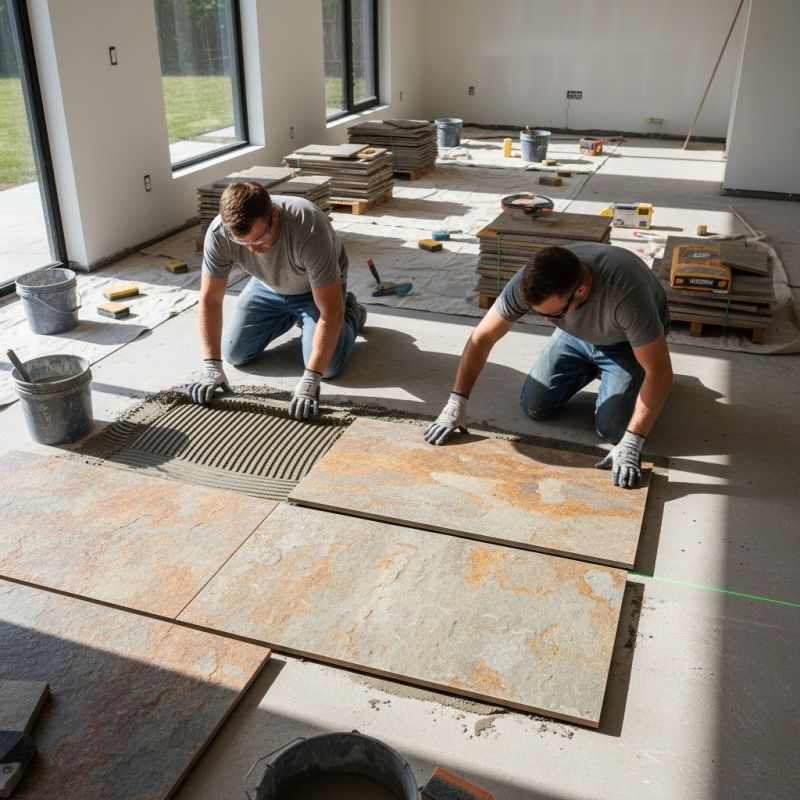
When evaluating contractors for brick vs. stone flooring installation, it’s important to consider their experience with similar projects. Homeowners should inquire about the types of surfaces they have worked on before, especially those involving commercial applications or specific material choices. Service providers with a proven track record in installing brick or stone flooring can offer insights into best practices and potential challenges, helping ensure the chosen surface meets the needs of a business environment. Clear, written expectations regarding project scope, materials, and installation processes can help prevent misunderstandings and set a solid foundation for the work to be performed.
Reputable local contractors should be able to provide references from previous clients who have had similar flooring projects completed. These references can offer a glimpse into the contractor’s reliability, craftsmanship, and professionalism. It’s also beneficial to ask about the contractor’s communication style and responsiveness throughout past projects, as good communication is key to a smooth installation process. Homeowners are encouraged to seek out service providers who are transparent about their experience and willing to share examples of their work, as this can help build confidence in their ability to handle the specific demands of brick vs. stone flooring for businesses.
Effective communication is essential when comparing local pros for brick or stone flooring installation. Homeowners should look for service providers who are clear and detailed when discussing project expectations, timelines, and materials. A contractor who listens carefully and provides thorough explanations can help clarify any questions about the differences between brick and stone surfaces, including their suitability for business settings. Ensuring that the chosen professional is responsive and transparent throughout the process can contribute to a smoother installation experience and a final result that aligns with the business’s operational needs and aesthetic preferences.
Property owners often search for brick vs. stone flooring: choosing the right surface for businesses when they are planning practical projects around their homes and businesses. Local pros provide Brick or Stone Flooring Installation services for everyday jobs and straightforward project options.
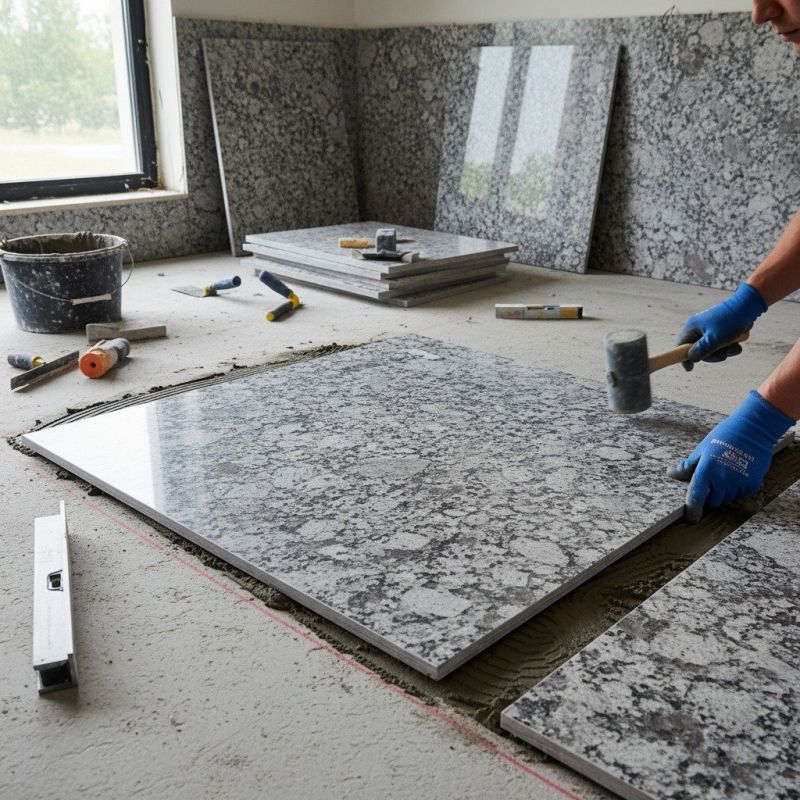
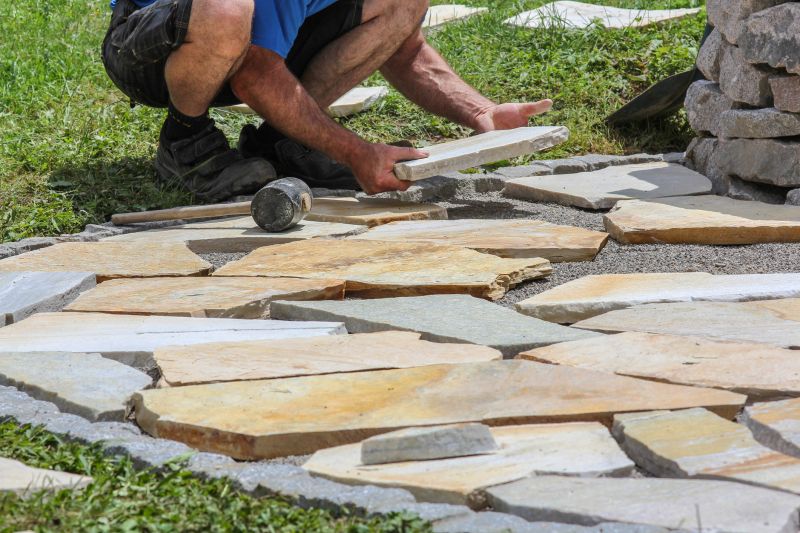
Property owners exploring brick vs. stone flooring: choosing the right surface for businesses often seek practical guidance on durability, appearance, and maintenance. Many local business owners consider these factors when updating their storefronts, entryways, or interior spaces to create a welcoming and functional environment. Understanding the differences between brick and stone flooring can help them make informed decisions that align with their property's needs, whether for high foot traffic areas or aesthetic appeal. Local contractors experienced in installing both surfaces can provide insights and professional installation services to ensure the chosen material enhances the property's look and longevity.
Business property owners frequently look for reliable local contractors to handle brick or stone flooring installation, especially when planning renovations or new construction projects. They might want to improve curb appeal, increase durability, or match existing architectural styles. Choosing the right surface involves considerations like slip resistance, weather resistance, and overall style. Local service providers can assist in evaluating these factors and recommend the best option for their specific project. Connecting with experienced installers ensures the flooring is properly installed to withstand daily use and maintain its appearance over time.
What are the main differences between brick and stone flooring for businesses? Brick flooring offers a warm, traditional appearance with easier installation, while stone flooring provides a natural, durable surface with a more polished look. Local contractors can help assess which material suits the specific needs of a business environment.
Which flooring type is more suitable for high-traffic commercial areas? Stone flooring generally withstands heavy foot traffic better due to its durability, whereas brick may require more maintenance over time. Service providers can advise on the best option based on traffic levels and usage.
How does the installation process differ between brick and stone flooring? Brick flooring typically involves laying individual bricks with mortar, making it relatively straightforward, while stone flooring may require precise cutting and fitting, often needing specialized skills from local contractors.
Are there maintenance considerations unique to brick or stone flooring for businesses? Brick flooring may need periodic sealing to prevent staining, whereas stone flooring can be more resistant but might require sealing or polishing to maintain appearance. Local pros can provide guidance on ongoing upkeep.
Can brick or stone flooring be installed in outdoor business spaces? Yes, both materials are suitable for outdoor use, with stone often being more resistant to weathering. Local service providers can recommend the best material based on the outdoor environment and business needs.
Assessing durability needs - Property owners can work with local contractors to determine whether brick or stone flooring best withstands foot traffic and heavy use in their business environment.
Choosing aesthetic styles - Business owners might select between brick’s classic look or stone’s natural appearance to match their branding or interior design goals with help from local pros.
Considering maintenance requirements - Local service providers can advise on which surface type is easier to clean and maintain, helping property owners make informed decisions for long-term upkeep.
Evaluating installation options - Business owners can explore different installation techniques with local contractors to ensure the chosen surface fits their space’s layout and functional needs.
If you are thinking about brick vs. stone flooring: choosing the right surface for businesses for a property, this guide is meant to help you understand this topic, the typical project types, and how different options might fit your plans.
When you are ready, you can use the quote form on this page to share a few details about your project. From there, local pros can review the basics and follow up with options that match what you have in mind.